
History of the Castle
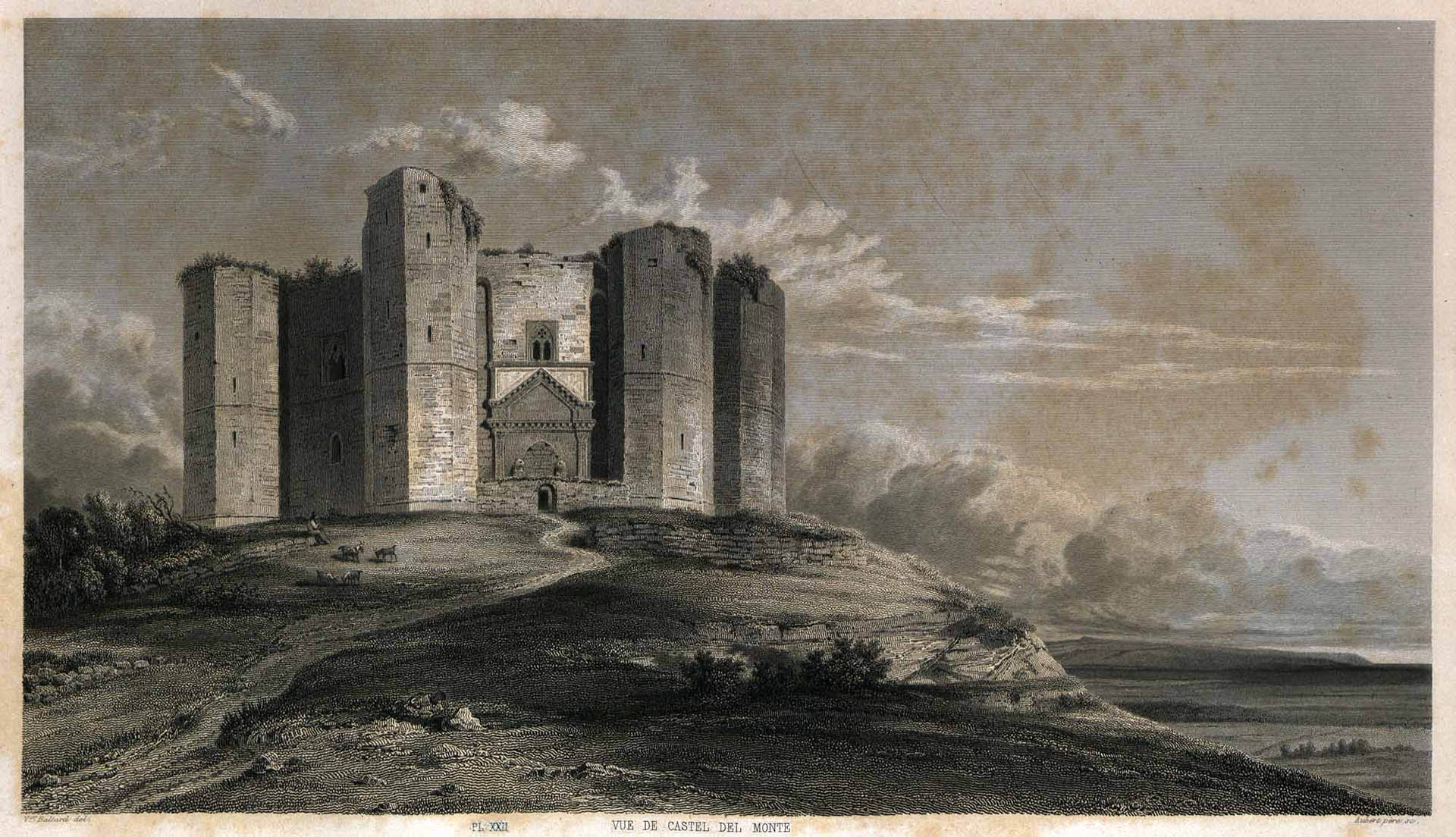
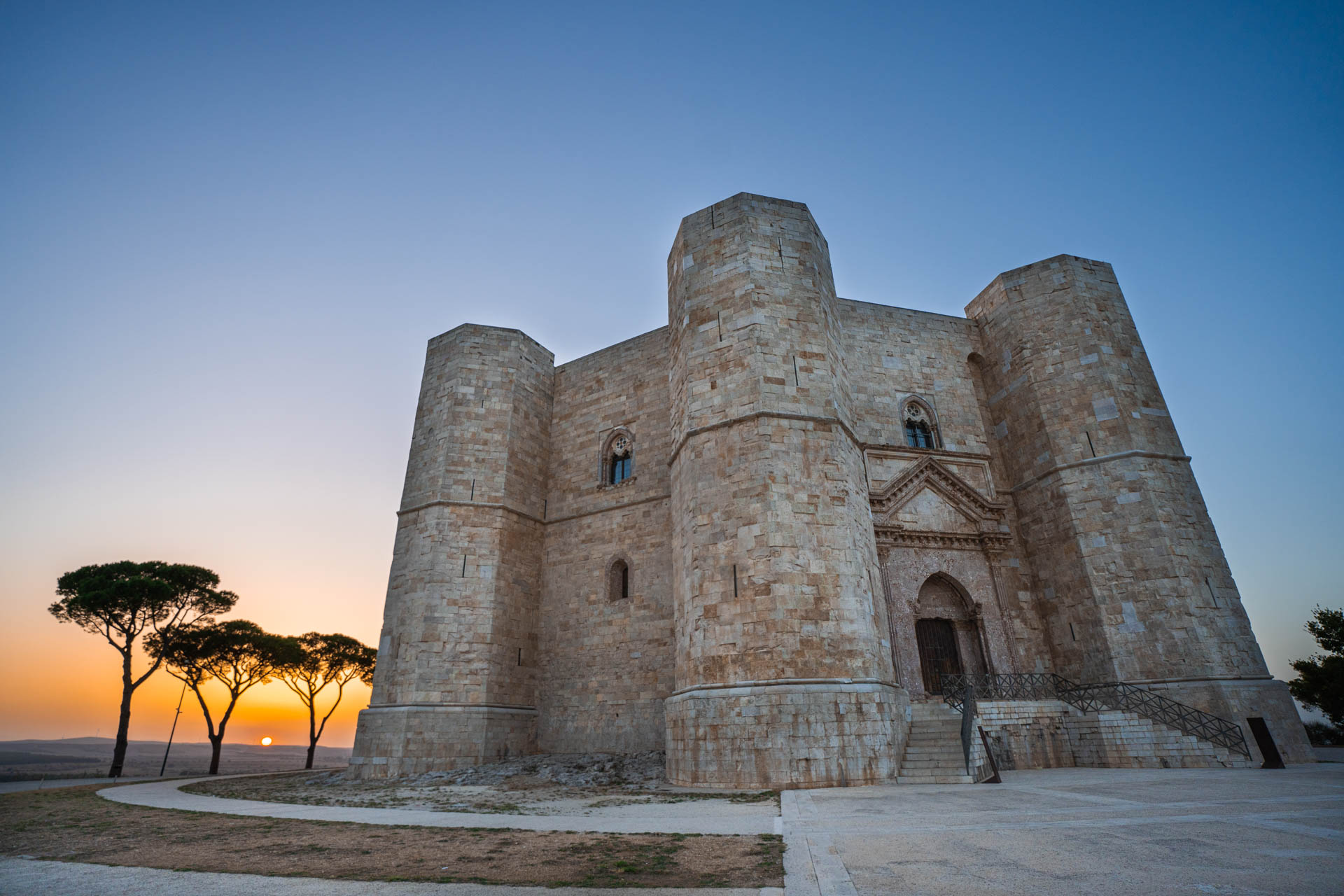
Among the castles connected with Emperor Frederick II of Swabia, Castel del Monte is without a doubt the most famous and evocative. With its massive octagonal body and eight towers, themselves octagonal in shape, it dominates the western Murge plateau and, even today, is clearly visible from the sea.
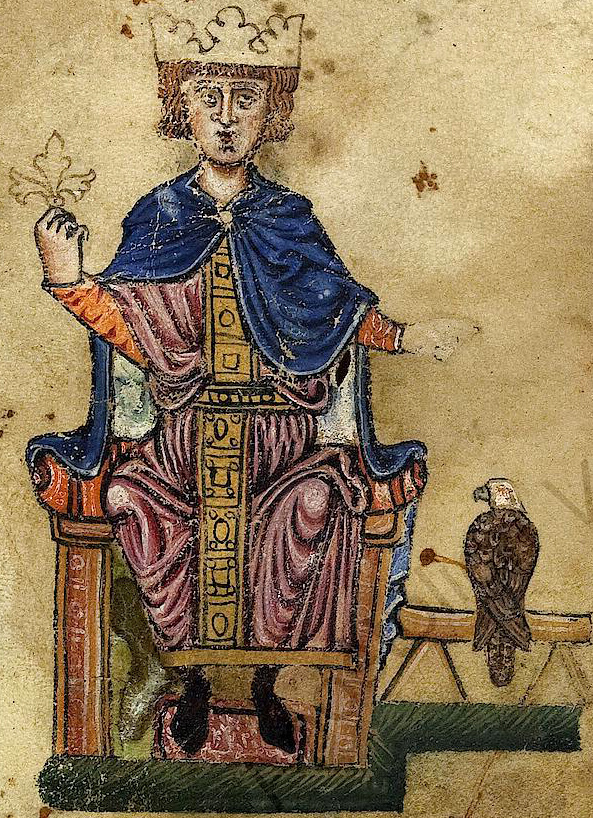
On January 29th, 1240 Federico himself wrote from Gubbio to one of his officials in Capitanata, the justiciar Riccardo di Montefuscolo, to request the procurement of building material («actractus») for the sumptuous castle («castrum»), near of the Benedictine monastery of Santa Maria del Monte: this is the only document from the period that has come down to us.
With the advent of the new kings of the Angevin dynasty, which supplanted the Swabian one after 1266, Castel del Monte, thanks to its strategic geographical position, was repurposed to new military needs and sometimes also used as a place of detention for illustrious prisoners. The castle, as we see it today, retains within it just a pale reflection of its original splendor. Of the precious marbles, mosaic floors and sculptural decorations, in fact, only what little survived the lootings, carried out since its abandonment in the 17th century, and the invasive restorations of the early 20th century remains.
To protect Castel del Monte and allocate it to public use, in 1876 the Italian State acquired it for the sum of 25,000 Lire; it was declared a World Heritage Site by UNESCO in 1996.
Audio Guide